
Contents
Overview
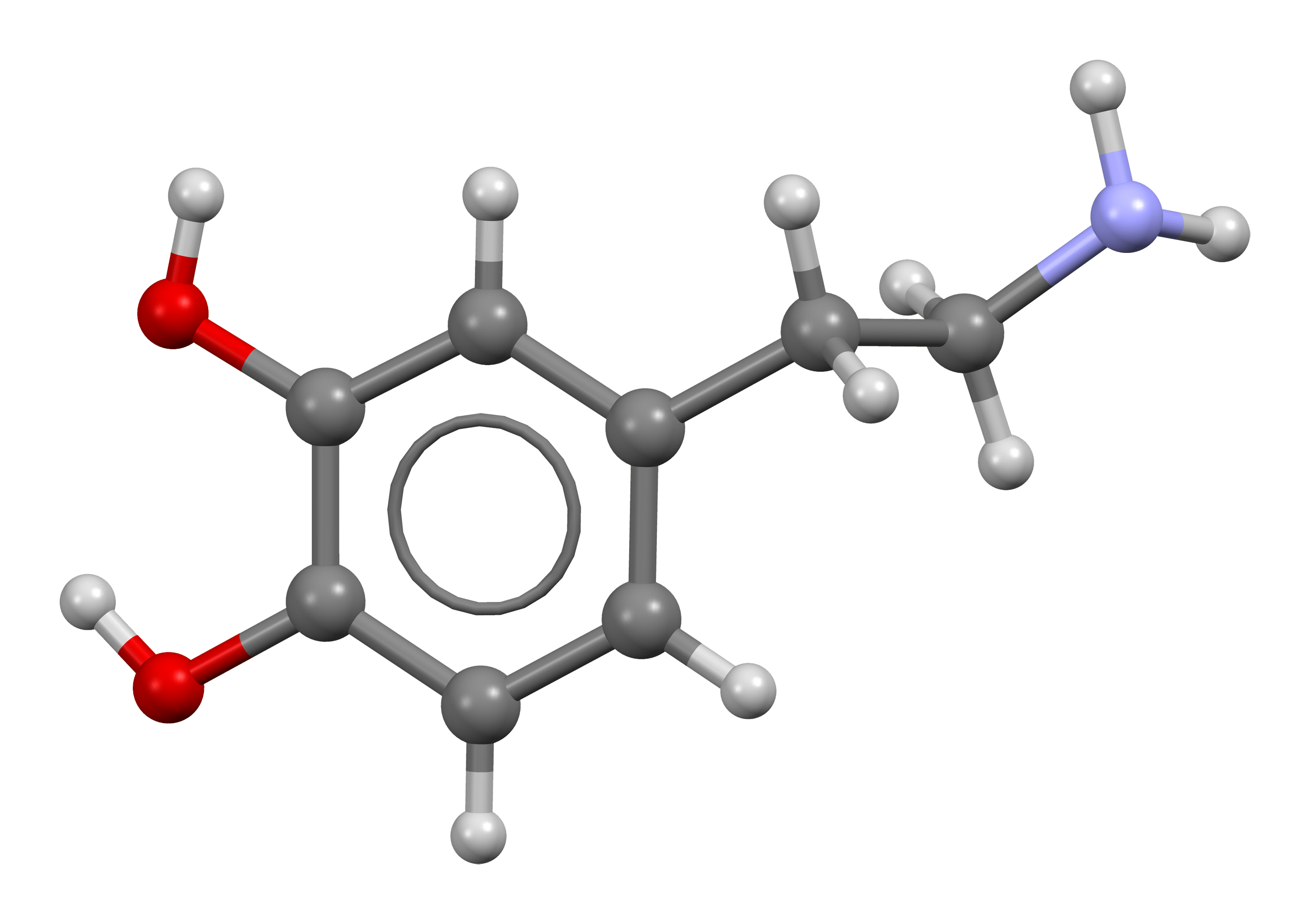
Dopamine is a neuromodulatory molecule that plays several important roles in cells, functioning as a hormone and neurotransmitter, involved in reward-motivated behavior, motor control, and other physiological processes. It is an organic chemical of the catecholamine and phenethylamine families. Understanding dopamine's mechanisms and functions is crucial for the development of treatments for dopamine-related disorders, as well as for the study of neuroplasticity and behavioral psychology.
📖 Definition & Core Concept
The mesolimbic pathway plays a major role in the motivational component of reward-motivated behavior. For example, the use of gamification of tasks can increase motivation and engagement, as seen in the use of video games and social media.
🔬 How It Works (Mechanics)
The use of deep brain stimulation has been shown to regulate dopamine signaling in the brain, leading to improved motor function in patients with Parkinson's disease.
📊 Key Facts, Numbers & Statistics
Dopamine is involved in the regulation of inflammation and immune response.
🌍 Real-World Examples & Use Cases
Real-world examples of dopamine's role in motivation and reward include the gamification of tasks, which can increase motivation and engagement. Furthermore, dopamine dysregulation is not solely responsible for addiction, as other factors, such as environment and genetics, also play a role.
📈 History & Evolution
The history and evolution of dopamine research dates back to the 1950s. Current research is focused on the development of treatments for dopamine-related disorders, as well as the study of dopamine's role in neuroplasticity and behavioral psychology. For example, the use of genetic engineering techniques has led to the development of new treatments for dopamine-related disorders, such as gene therapy.
⚡ Current State & Latest Developments
The current state of dopamine research is rapidly evolving, with new discoveries being made about its mechanisms and functions. The development of new treatments for dopamine-related disorders, such as deep brain stimulation, is ongoing. Additionally, dopamine is involved in motor control and regulation of inflammation.
🔮 Why It Matters & Future Outlook
Dopamine's significance and future outlook are closely tied to its role in motivation, reward, and pleasure. Understanding dopamine's mechanisms and functions is crucial for the development of treatments for dopamine-related disorders, as well as for the study of neuroplasticity and behavioral psychology.
🤔 Common Misconceptions
Common misconceptions about dopamine include the idea that it is solely responsible for pleasure and reward. However, dopamine is also involved in other physiological processes, such as motor control and regulation of inflammation.
Key Facts
- Year
- 1950s
- Origin
- Brain and kidneys
- Category
- messaging-apps
- Type
- topic
- Format
- what-is
Frequently Asked Questions
What is dopamine?
Dopamine is a neurotransmitter that plays a crucial role in various physiological processes, including motivation, reward, and pleasure. It is involved in several distinct pathways in the brain, including the mesolimbic pathway, which plays a major role in the motivational component of reward-motivated behavior.
What is the role of dopamine in addiction?
Dopamine dysregulation is not solely responsible for addiction, as other factors, such as environment and genetics, also play a role.
How is dopamine involved in motor control and inflammation?
Dopamine is involved in motor control and regulation of inflammation, and its dysregulation has been implicated in various neurological and psychiatric disorders.