
Contents
- 🏋️♂️ Introduction to the Push Up
- 🔥 History of the Push Up
- 👊 Benefits of the Push Up
- 🏋️♀️ Proper Form and Technique
- 🤕 Common Mistakes to Avoid
- 📈 Variations and Modifications
- 💪 Building Strength with Push Ups
- 🏆 Push Up Challenges and Competitions
- 📊 Measuring Progress and Success
- 👫 Push Ups in Group Fitness and Team Building
- 📚 Conclusion and Further Reading
- Frequently Asked Questions
- Related Topics
Overview
The push up, a movement that has been a cornerstone of physical fitness since ancient Greece, continues to be a widely used exercise today. With a vibe score of 8, it's a staple in many workout routines, from military training to yoga classes. However, its simplicity belies a complexity that can lead to injury if not performed correctly. The historian in us notes that the push up has evolved over time, with various forms and modifications emerging. The skeptic questions the efficacy of the push up as a comprehensive upper body exercise, while the fan appreciates its cultural resonance and emotional weight. As we look to the future, the futurist asks: what role will the push up play in the evolving landscape of fitness and exercise? With over 2.5 million searches per month, it's clear that the push up remains a vital part of our collective fitness consciousness. By examining the push up through multiple lenses, we can gain a deeper understanding of its significance and importance in our lives.
🏋️♂️ Introduction to the Push Up
The push up is a timeless test of strength that has been a staple of fitness routines for centuries. It is a simple yet effective exercise that works multiple muscle groups, including the chest, shoulders, and triceps. As discussed in Fitness Routines, a well-structured workout plan should include a combination of exercises that target different muscle groups. The push up is an excellent addition to any Workout Plan, as it can be modified to suit different fitness levels. For example, beginners can start with Modified Push Ups on their knees, while more advanced individuals can try Diamond Push Ups or Decline Push Ups.
🔥 History of the Push Up
The history of the push up dates back to ancient civilizations, where it was used as a form of exercise and training for warriors. As noted in History of Fitness, the push up was a key component of physical training in ancient Greece and Rome. The exercise was also used in traditional Indian and Chinese martial arts, where it was known as the 'danda' or 'push-up' respectively. In the modern era, the push up has become a standard exercise in many fitness routines, including Yoga and Pilates. It is often used as a benchmark for measuring upper body strength, as discussed in Fitness Assessments.
👊 Benefits of the Push Up
The benefits of the push up are numerous and well-documented. As explained in Benefits of Exercise, regular push up practice can improve overall upper body strength, increase muscle endurance, and enhance athletic performance. The push up also engages the core muscles, which can help improve posture and reduce the risk of injury. Additionally, the push up is a low-impact exercise that can be done anywhere, making it an ideal choice for people who prefer Bodyweight Exercises or have limited access to gym equipment. For more information on the benefits of exercise, visit Exercise Science.
🏋️♀️ Proper Form and Technique
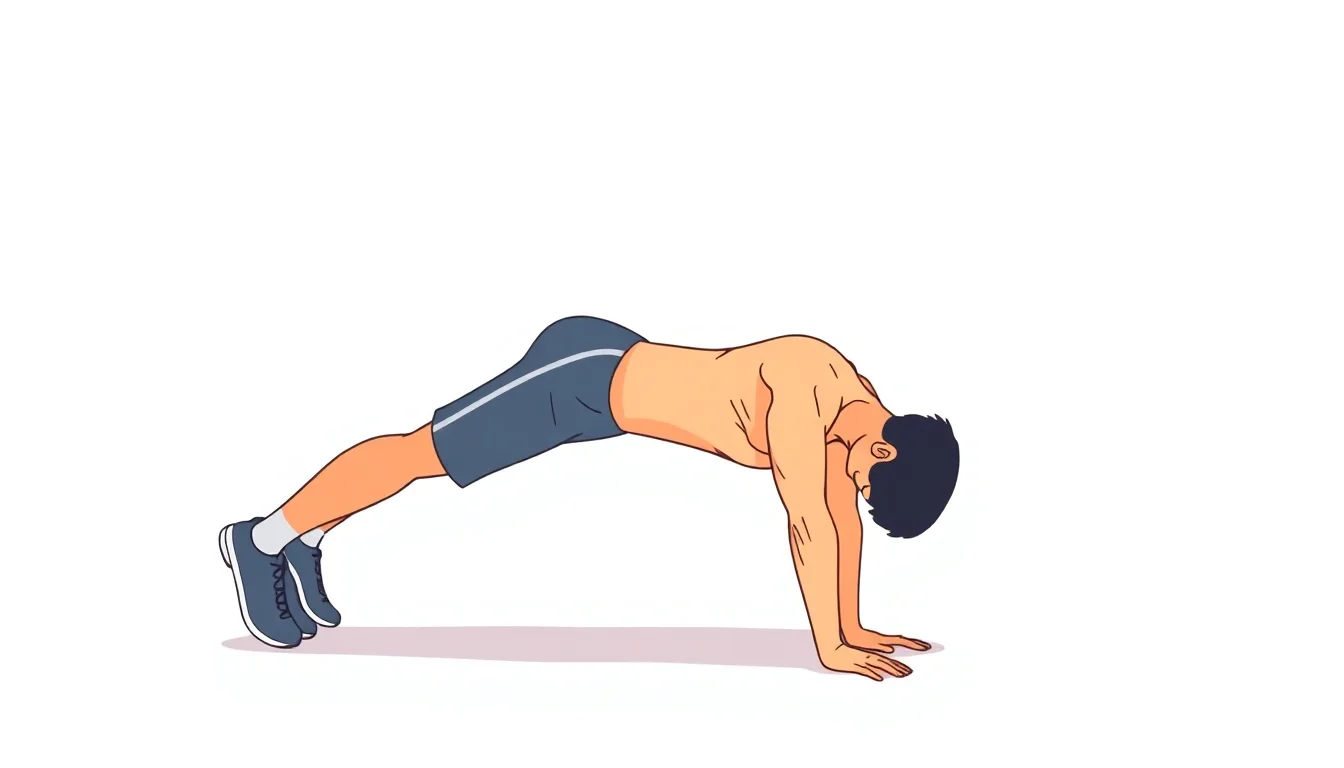
Proper form and technique are essential for getting the most out of the push up exercise. As demonstrated in Fitness Videos, the correct form involves starting in a plank position with hands shoulder-width apart, engaging the core muscles, and lowering the body until the chest almost touches the ground. It is also important to keep the elbows close to the body and avoid letting the hips sag or the back arch. For a more detailed guide on proper form and technique, check out Push Up Form. Common mistakes to avoid include letting the head drop, using momentum to lift the body, and not fully extending the arms. To learn more about proper form and technique, visit Fitness Coaching.
🤕 Common Mistakes to Avoid
Common mistakes to avoid when doing push ups include letting the head drop, using momentum to lift the body, and not fully extending the arms. As discussed in Common Fitness Mistakes, these mistakes can reduce the effectiveness of the exercise and increase the risk of injury. To avoid these mistakes, it is essential to focus on proper form and technique, as well as to start with a manageable number of repetitions and gradually increase the difficulty as strength and endurance improve. For more information on how to avoid common fitness mistakes, check out Fitness Tips. Additionally, incorporating Warm Up Routines and Cool Down Stretches into your workout routine can help prevent injuries and improve overall performance.
📈 Variations and Modifications
There are many variations and modifications of the push up exercise that can be used to add variety and challenge to a workout routine. As shown in Push Up Variations, some popular variations include the diamond push up, decline push up, and plyometric push up. These variations can help target different muscle groups and improve overall upper body strength and endurance. For example, the diamond push up targets the triceps, while the decline push up targets the upper chest. To learn more about different types of push up variations, visit Exercise Library.
💪 Building Strength with Push Ups
Building strength with push ups requires a consistent and challenging workout routine. As explained in Strength Training, it is essential to start with a manageable number of repetitions and gradually increase the difficulty as strength and endurance improve. This can be achieved by increasing the number of repetitions, adding weight or resistance, or incorporating more challenging variations into the routine. For example, adding a Weight Vest or Resistance Band can increase the difficulty of the exercise and help build strength more quickly. Additionally, incorporating Nutrition Planning and Recovery Techniques into your workout routine can help support muscle growth and repair.
🏆 Push Up Challenges and Competitions
Push up challenges and competitions have become increasingly popular in recent years, with many people competing to see who can do the most push ups in a row or in a set amount of time. As discussed in Fitness Competitions, these challenges can be a fun and motivating way to improve upper body strength and endurance, as well as to connect with others who share similar fitness goals. For example, the Push Up Challenge is a popular competition that challenges individuals to complete a set number of push ups in a row. To learn more about fitness competitions and challenges, visit Fitness Community.
📊 Measuring Progress and Success
Measuring progress and success with push ups can be achieved by tracking the number of repetitions, sets, and workouts completed over time. As noted in Fitness Tracking, it is also essential to monitor progress photos, measurements, and body fat percentage to get a comprehensive picture of overall fitness and health. Additionally, incorporating Heart Rate Monitoring and Workout Analytics into your workout routine can help track progress and optimize performance. For more information on how to measure progress and success, check out Fitness Assessments.
👫 Push Ups in Group Fitness and Team Building
Push ups can be a fun and effective way to improve group fitness and team building. As demonstrated in Group Fitness, many fitness classes and workouts incorporate push ups as a way to build camaraderie and challenge participants. For example, Boot Camp Workouts often include push ups as part of a larger circuit training routine. Additionally, incorporating Team Building Exercises and Partner Workouts into your fitness routine can help build relationships and improve overall performance. To learn more about group fitness and team building, visit Fitness Classes.
📚 Conclusion and Further Reading
In conclusion, the push up is a timeless test of strength that offers numerous benefits for overall fitness and health. As discussed in Fitness Benefits, regular push up practice can improve upper body strength, increase muscle endurance, and enhance athletic performance. By incorporating push ups into a workout routine and tracking progress over time, individuals can achieve their fitness goals and improve overall health and well-being. For more information on the benefits of push ups and how to incorporate them into your workout routine, check out Push Up Benefits.
Key Facts
- Year
- 1900
- Origin
- Ancient Greece
- Category
- Fitness
- Type
- Exercise
- Format
- how-to
Frequently Asked Questions
What is the proper form and technique for doing a push up?
The proper form and technique for doing a push up involves starting in a plank position with hands shoulder-width apart, engaging the core muscles, and lowering the body until the chest almost touches the ground. It is also essential to keep the elbows close to the body and avoid letting the hips sag or the back arch. For a more detailed guide on proper form and technique, check out Push Up Form.
What are some common mistakes to avoid when doing push ups?
Common mistakes to avoid when doing push ups include letting the head drop, using momentum to lift the body, and not fully extending the arms. These mistakes can reduce the effectiveness of the exercise and increase the risk of injury. To avoid these mistakes, it is essential to focus on proper form and technique, as well as to start with a manageable number of repetitions and gradually increase the difficulty as strength and endurance improve.
How can I build strength with push ups?
Building strength with push ups requires a consistent and challenging workout routine. It is essential to start with a manageable number of repetitions and gradually increase the difficulty as strength and endurance improve. This can be achieved by increasing the number of repetitions, adding weight or resistance, or incorporating more challenging variations into the routine. For example, adding a Weight Vest or Resistance Band can increase the difficulty of the exercise and help build strength more quickly.
What are some variations and modifications of the push up exercise?
There are many variations and modifications of the push up exercise that can be used to add variety and challenge to a workout routine. Some popular variations include the diamond push up, decline push up, and plyometric push up. These variations can help target different muscle groups and improve overall upper body strength and endurance. For example, the diamond push up targets the triceps, while the decline push up targets the upper chest.
How can I measure progress and success with push ups?
Measuring progress and success with push ups can be achieved by tracking the number of repetitions, sets, and workouts completed over time. It is also essential to monitor progress photos, measurements, and body fat percentage to get a comprehensive picture of overall fitness and health. Additionally, incorporating Heart Rate Monitoring and Workout Analytics into your workout routine can help track progress and optimize performance.
Can push ups be used in group fitness and team building?
Yes, push ups can be a fun and effective way to improve group fitness and team building. Many fitness classes and workouts incorporate push ups as a way to build camaraderie and challenge participants. For example, Boot Camp Workouts often include push ups as part of a larger circuit training routine. Additionally, incorporating Team Building Exercises and Partner Workouts into your fitness routine can help build relationships and improve overall performance.
What are some benefits of incorporating push ups into a workout routine?
The benefits of incorporating push ups into a workout routine are numerous and well-documented. Regular push up practice can improve upper body strength, increase muscle endurance, and enhance athletic performance. The push up also engages the core muscles, which can help improve posture and reduce the risk of injury. Additionally, the push up is a low-impact exercise that can be done anywhere, making it an ideal choice for people who prefer Bodyweight Exercises or have limited access to gym equipment.